
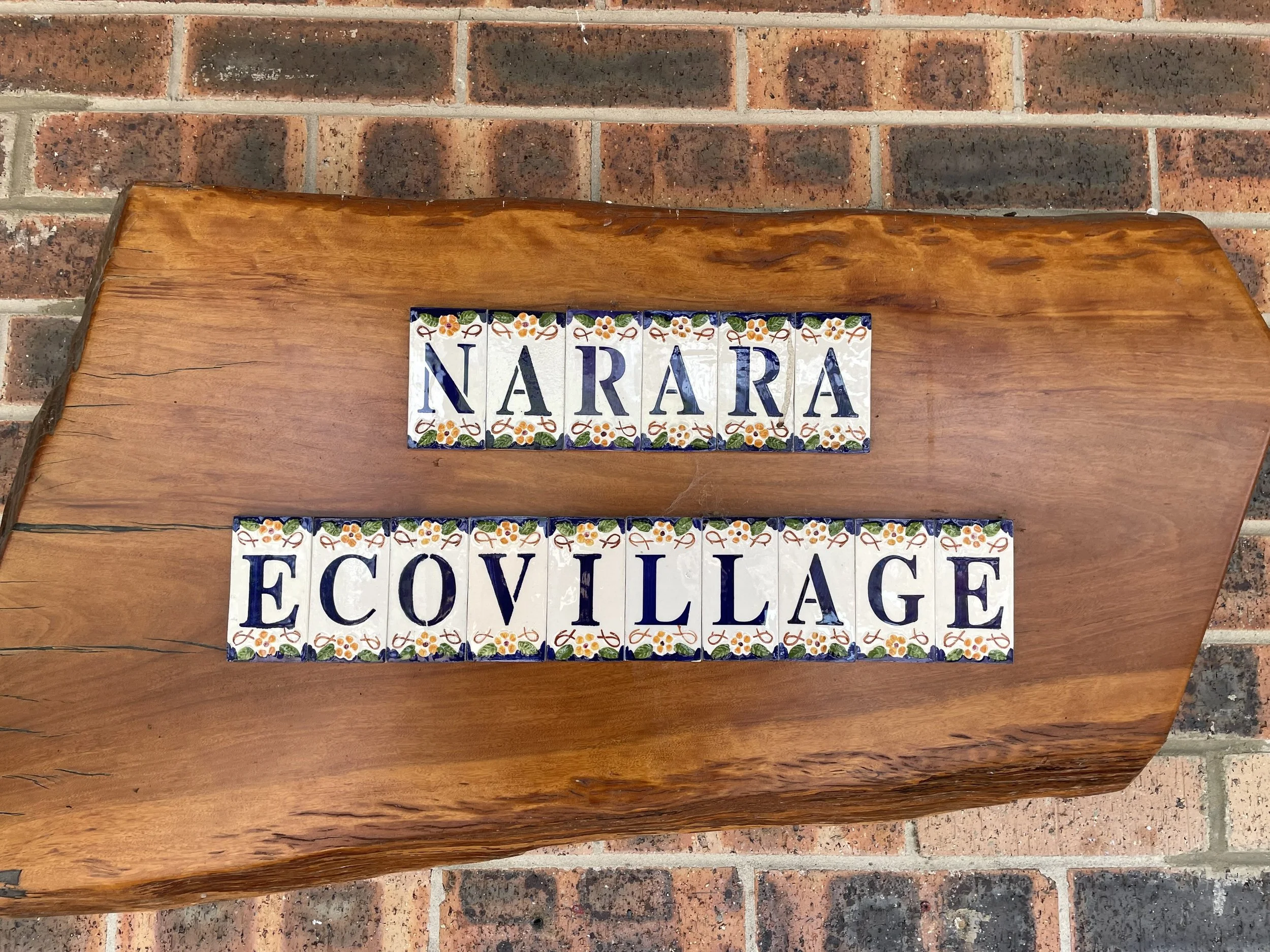
From Vision to Reality of Building a Thriving Ecovillage: Interview with founder Lyndall Parris
Zola interviews Lyndall Parris, founder and resident of Narara Ecovillage on Australia’s Central Coast (about an hour from Sydney), about what it takes to create and lead an intentional ecovillage from vision to reality and what daily life feels like there.
We learn about Narara’s cooperative membership model (including the $30,000 buy-in), efforts toward affordability and intergenerational living through CLAN, and key sustainability infrastructure such as a smart grid and localized water systems.
Lyndall shares the long fundraising and development journey (including setbacks during the financial crisis of 20028, the 2012 tender to buy the property, and 2013 settlement), reflects on belonging, kindness, and ongoing conflict-resolution work.
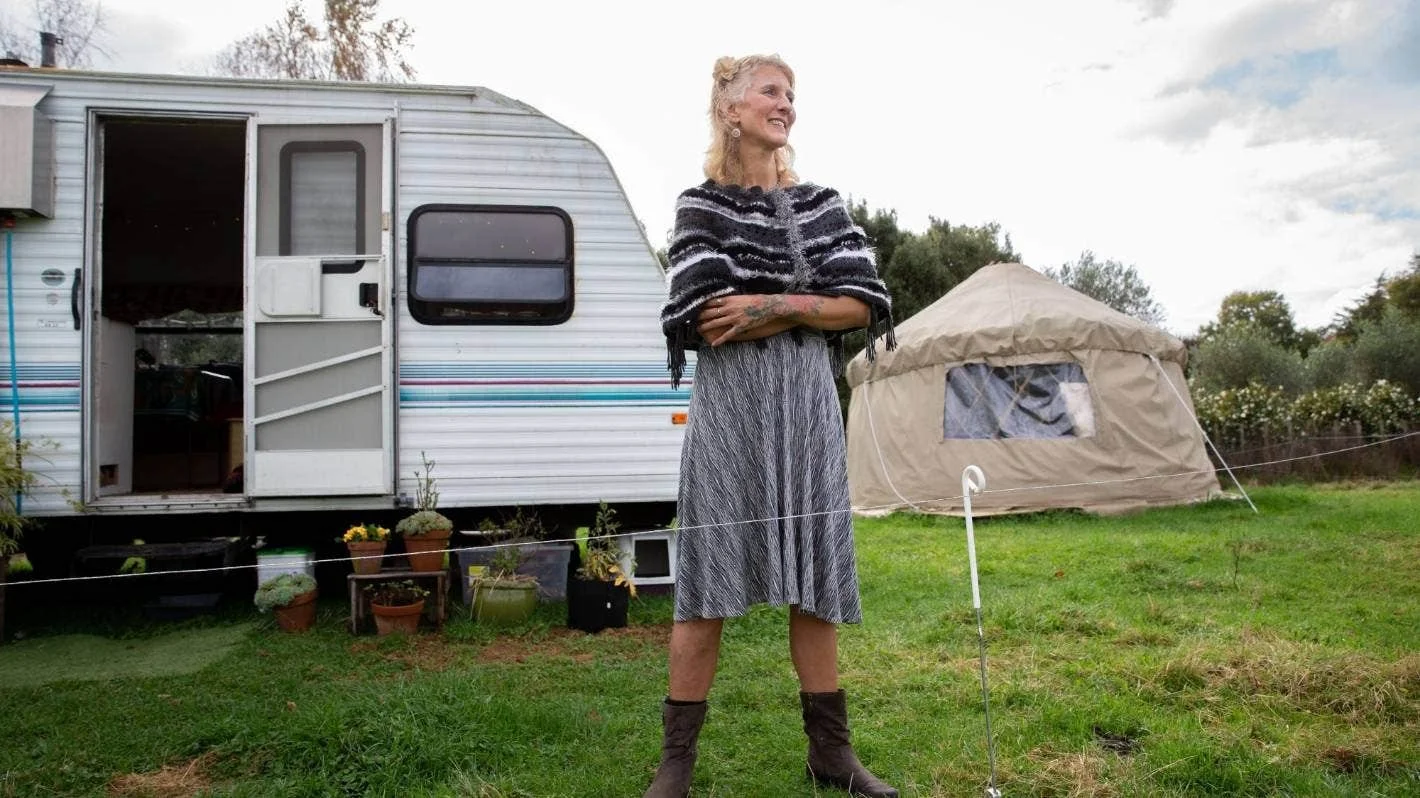
Zola’s Journey from Homelessness to Making a Recipe for Homefullness:
I’m sharing my personal journey dealing with housing instability and homelessness despite having the right ingredients for a stable life. I wrote an article entitled 'Homefulness: Recipes for Baking, Belonging, Connection, and Resilience into Housing Futures', which uses a creative recipe format to illustrate the systemic issues contributing to housing instability.
In my life of 52 years, I’ve lived in 12 countries, but ironically, it is in one of the wealthiest nations, where I've struggled the most with secure housing.
After moving to NZ in 2016 with my partner and children, we owned a house, but my partner left the relationship, forcing me to sell our home, and initiating a period of instability. Over nine years, I've lived in 16 different places ranging from short term rentals, to couch surfing, Airbnbs, room shares, to finally owning my own tiny home.
Despite having a master's degree and stable job, I faced discrimination and struggles in the housing market. My story is a microcosm of a larger broken system where housing is treated as a commodity, not a human right.
Through my consultancy and podcast, I'm advocating for 'Homefullness,' emphasizing collective housing models and shifting housing to be about belonging, sustainability, and community.
My actionable recipes for 'Homefulness' give ways of transforming existing neighborhoods and/or creating intentional communities from scratch, arguing for systemic change to ensure secure, affordable, and adequate housing for all.

Redefining Rural Development: A roadmap to create a network of Circular Economy Villages
This newsletter explore the concept of Circular Economy Villages, which aim to integrate sustainable, community-driven housing developments with essential public infrastructure.
Steven Liaros promotes this approach as a solution to the challenges that many well-designed, intentional communities face during planning and financing stages.
The villages would feature efficient energy, water, and waste management systems, emphasizing ecological, economic, and social sustainability.
The development model involves local governments and councils in a collaborative rather than antagonistic role, where developers also deliver necessary infrastructure, thereby reducing costs for local governments.
The development approach underscores the importance of a regulatory framework, community ownership models like Community Land Trusts, and holistic financing strategies to ensure the successful implementation of these villages.
Also find information on the Women Revolutionising Housing Hui through the links.

Women Uniting for Ethical Investment in Affordable Housing
Discover how Women for Homes is a unique approach to ethical investment in housing by empowering women with the tools, knowledge and networks. This inspiring initiative educates women on financial strategies and fosters a community dedicated to creating affordable and sustainable homes. In our latest newsletter article, Zola speaks with Dionne from Women for Homes about how ethical investments can transform housing development and offer practical solutions for housing affordability and sustainability. She offers women a chance to join this movement and become an ethical investor in Women for Homes. Read on to learn how.