
Reshaping Aotearoa’s Planning Laws: Regenerative Housing, Community Agency, and Structural Affordability
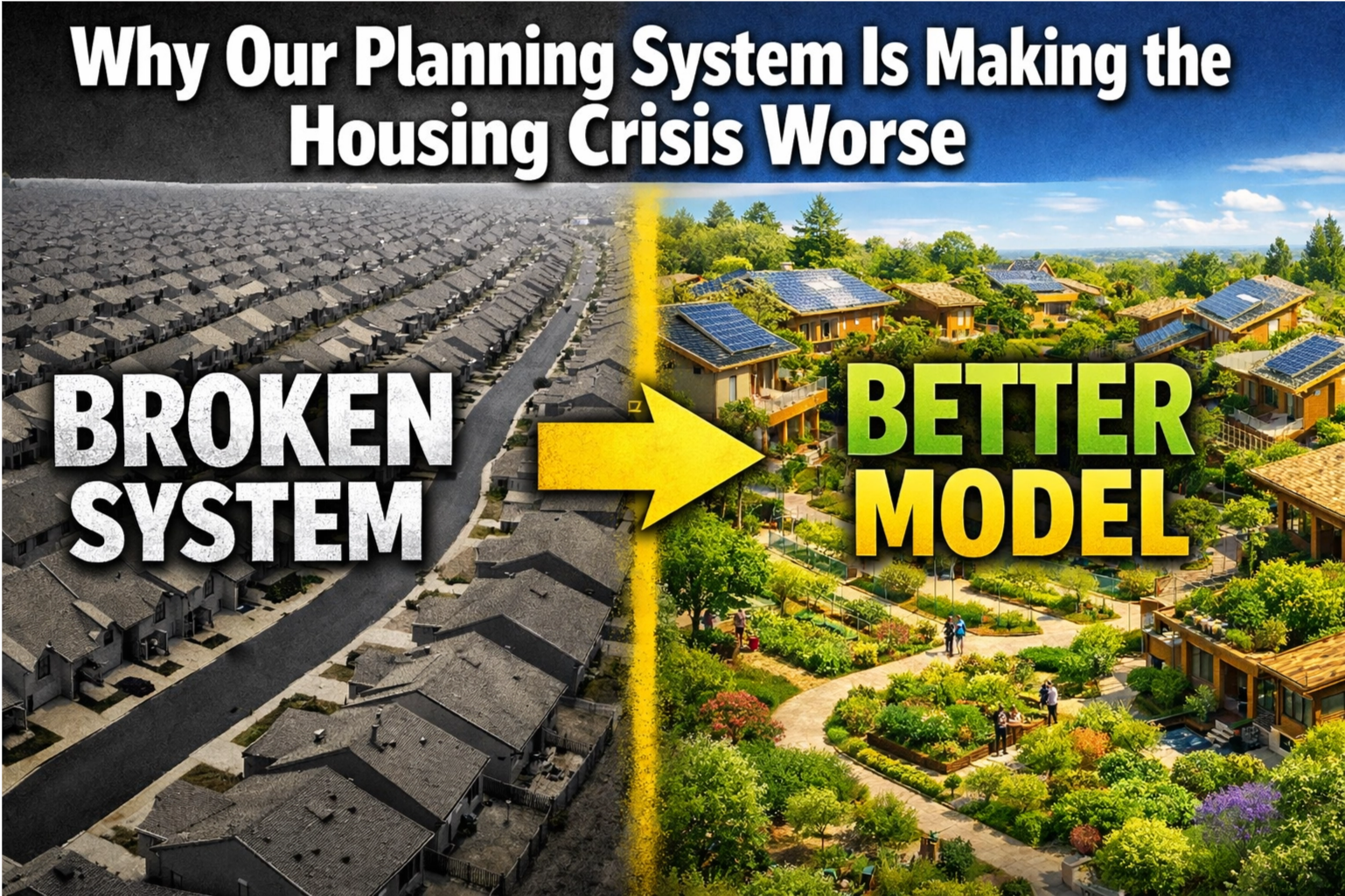
New Zealand, like many other countries, is not just facing a housing crisis; it’s challenged by a housing system designed for outcomes that damage both people and the environment.
Globally, homes are increasingly unaffordable, developments degrade ecosystems, and neighborhoods often isolate rather than connect individuals.
However, a significant change is on the horizon for Aotearoa, as the government is overhauling the planning and natural resources bills—key laws guiding urban and rural development. These reforms are critical for generations to come, offering a chance to shift from extractive development patterns to housing solutions that are affordable, community-centered, and land-regenerative.
A Personal Submission for Change
I recently submitted a proposal for these bills, advocating for a future that ensures well-being and resilience. Although formal submission is closed, citizen advocacy remains crucial. The issues I addressed resonate worldwide, reinforcing global demands for sustainable and inclusive development.
A Rare Opportunity: Reshaping Development
The transition from the Resource Management Act to new bills aims for clarity and environmental protection. While promising, there’s a risk of unintentionally perpetuating growth-led development and resource-intensive land use. The pivotal moment to guide this transformation is now.
Key Recommendations for Government Action
1. Tiny Homes Recognition:
I urge the creation of national standards to legitimize tiny homes, a pivotal affordable option for many. Establishing standards will resolve planning law ambiguities, making tiny homes a viable legal housing solution.
2. Cluster Housing in Rural Areas:
We must enable cluster housing to promote ecology and community. This approach preserves open space while integrating food production and biodiversity, learning from successful international models like Wales’ One Planet Development.
3. Mixed-Use, Low-Impact Developments:
Emphasizing developments that blend housing, agriculture, renewables, and waste management will foster resilient community setups.
4. Inclusionary Zoning and Cooperative Housing:
Affordability can’t be overlooked. Incentivizing developers through inclusionary zoning and legislative support for cooperative housing will ensure diverse housing solutions.
5. Shifting Agricultural Practices:
A move toward plant-based land use is paramount, addressing inefficiencies in current agricultural practices. By supporting diversification, we can focus on eco-friendly and land-restorative strategies.
Risks and A Positive Shift
The existing reform bills pose significant risks, potentially reinforcing ineffective growth and restricting innovation. Yet, with amendments that embed ecological regeneration, public participation, and innovative housing models, a path toward robust, sustainable communities is clear.
Action and Engagement for a Regenerative Future
The government must hear from its citizens. Engage with local leaders to embolden these transformative housing and development ideals. The bills' reform will shape Aotearoa's future landscapes and communities; it’s crucial to prioritize regeneration over reduction.
Opportunities and Support for Better Housing
Community-focused Residential Property Development Course
Explore what we are curating for a community-focused residential development training: https://www.commonground.net.nz/property-devp-course
Women Revolutionizing Housing Network
Participate in ongoing events spotlighting pioneering women-led housing projects. Check out our network webpage and sign up for our online events. https://www.commonground.net.nz/women-revolutionising-housing-network
Patreon Funding Support
Consider supporting advocacy work on housing through our Patreon page, ensuring continued efforts toward a better future. You can support more episodes and resource development for collective and affordable housing. https://www.patreon.com/commonground_zola
Conclusion: This is a call to action
for Aotearoa and the global community. Let’s collaboratively pursue regeneration, affordability, and ethical stewardship in housing, laying the groundwork for thriving future generations. Now is the time to advocate for a sustainable paradigm shift in how we live and connect with our surroundings.