
Reshaping Aotearoa’s Planning Laws: Regenerative Housing, Community Agency, and Structural Affordability
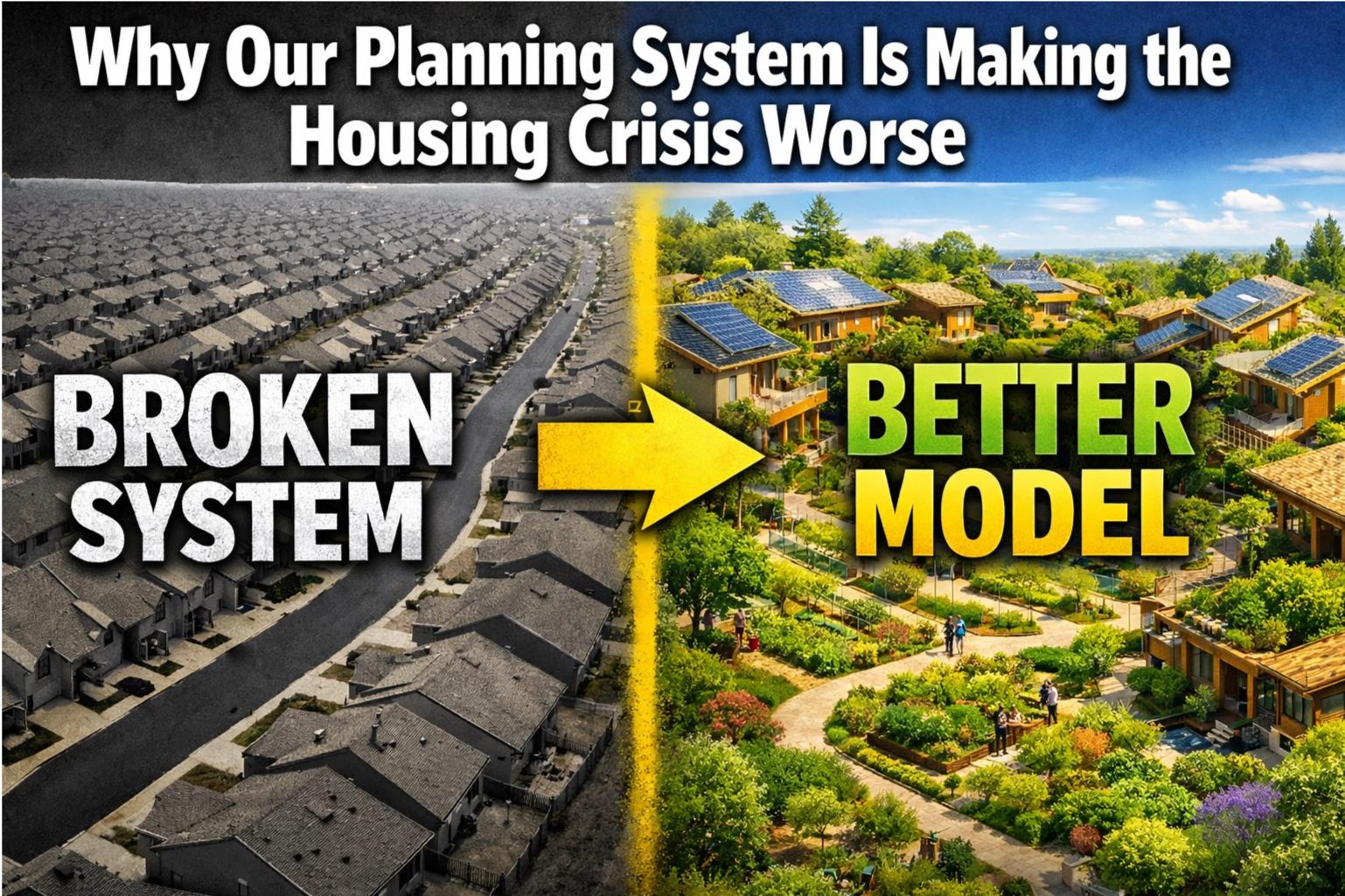
New Zealand’s housing problems stem from a system producing unaffordable, isolating, and environmentally harmful outcomes. Now is a major opportunity as the government rewrites the Planning Bill and Natural Environment Bill. Zola summarizes her submission, urging laws to explicitly enable regenerative land use, community-led development, and structural affordability, including a national definition and permitted status for tiny homes, rural cluster housing/eco-villages, mixed-use “circular economy village” models, inclusionary zoning incentives, and legal recognition and support for cooperatives and community land trusts, with housing treated as a human right. Zola advocates transitioning from resource-intensive animal agriculture to plant-based land use with farmer pathways.

Cooperative Living, Tiny Home Challenges, Support for Landsharing
Around the country, people are trying to get their housing needs met with Tiny Homes on Wheels (THOW)*. Unfortunately, many are getting told by their council that they are in breach of the building act and the resource management act.
Policies differ and can even be contradictory between central and local government planning regulations—is it a building or a vehicle? What does fixed to land mean? How long can it be lived in before being considered a dwelling? These contradictions create insecurity for people living in tiny homes and for the landowners who have offered their land for a THOW to be parked.