
Building Resilient Futures: Insights on Ecovillages
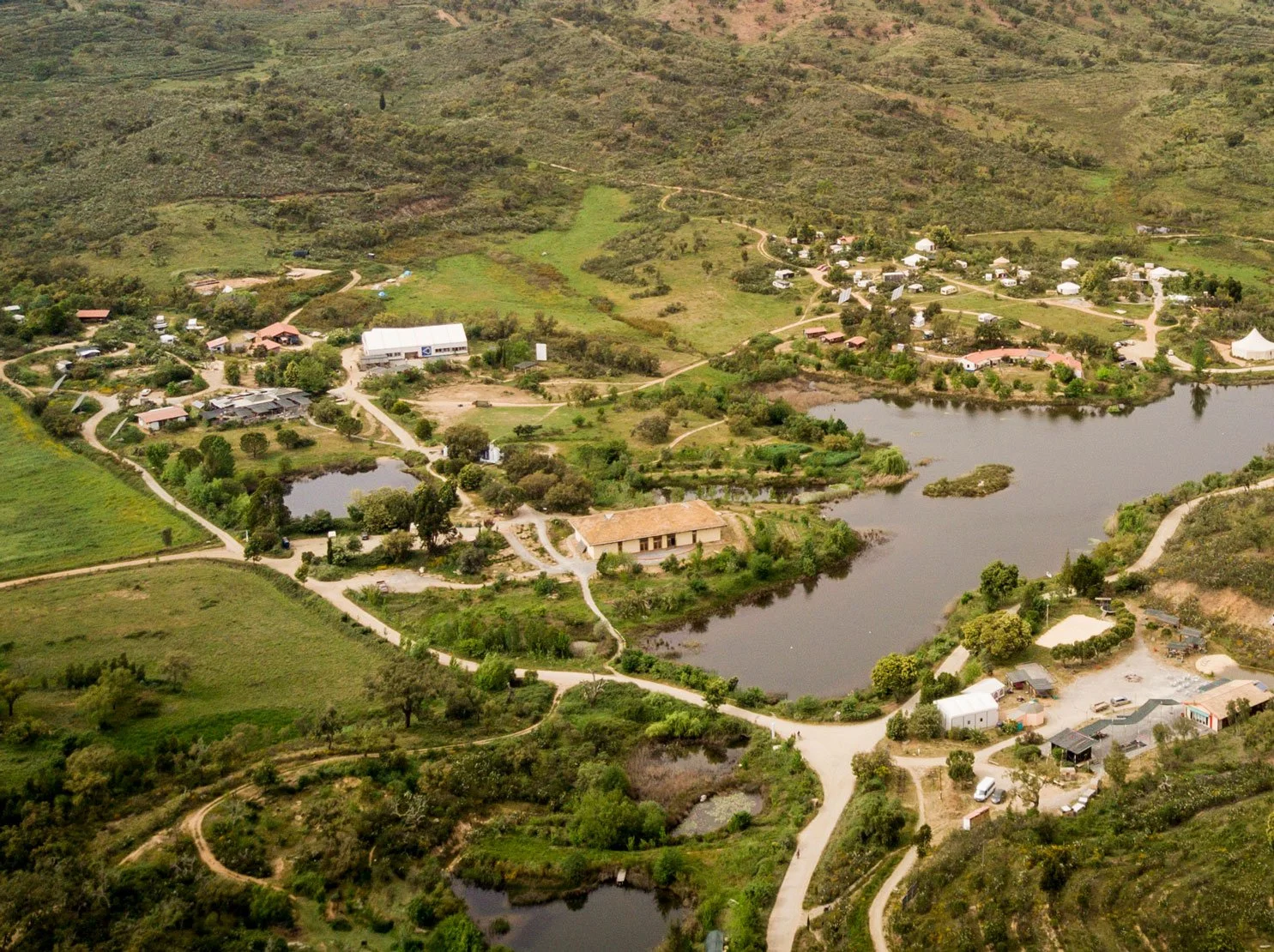
View of Tamera Ecovillage in Portugal
Ecovillages are increasingly becoming a beacon of hope for those looking to create sustainable, resilient communities. Zahra Lightway's fascinating journey through ecovillages across Australia, India, and Europe offers key insights into the heart of these communities and what makes them tick. This blog post will elaborate on Zahra’s experiences and provide practical steps for anyone interested in this innovative way of living.
An Overview of Ecovillages and Their Significance
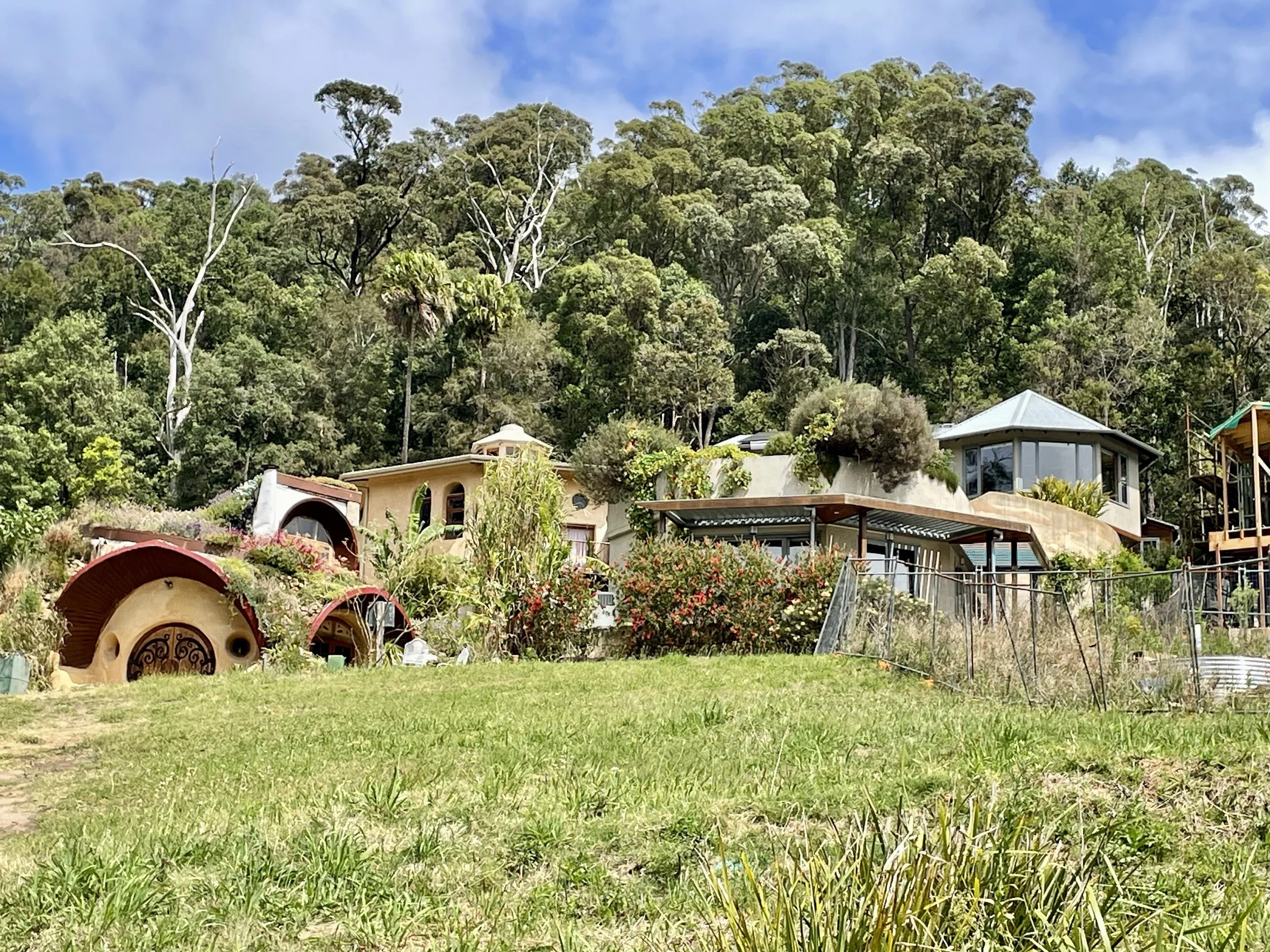
A row of homes at Narara Ecovillage
Ecovillages are often imagined as idyllic havens, but in reality, they serve as pragmatic blueprints for sustainable living. These communities emphasize governance, economic sustainability, and social cohesion. Zahra's rich experiences highlight the intricate balance needed to develop successful Ecovillages that are not only ecologically sustainable but also socially and economically viable.
Crucial Discoveries from Exploring International Ecovillages

Narara residents in a big-picture future economic planning brainstorm workshop
Sociocracy and Governance: A standout feature of Ecovillages is their approach to governance through sociocracy. This decentralized decision-making model promotes shared leadership and has been instrumental in fostering community resilience.
Economic Models: Zahra draws attention to the Les Pas Sage economic model, which innovatively values both financial resources and individual skills. This approach ensures inclusivity and financial stability, crucial for the success of Ecovillages.
Educational Insights: Ecovillages offer various educational and experiential programs, vital for sustaining their framework and educating others on their sustainable practices. These programs provide valuable insights while also aiding the community's financial sustainability.
Differentiating Ecovillages from Eco Estates
One important distinction Zahra makes is between Ecovillages and Eco Estates. Ecovillages are mission-driven, focusing on a collective worldview and community ethos, whereas Eco Estates might simply incorporate sustainable building techniques without the deeper community-driven intentions.

Strategic plan of Narara Ecovillage to achieve multiple impacts
Practical Steps to Explore and Get Involved
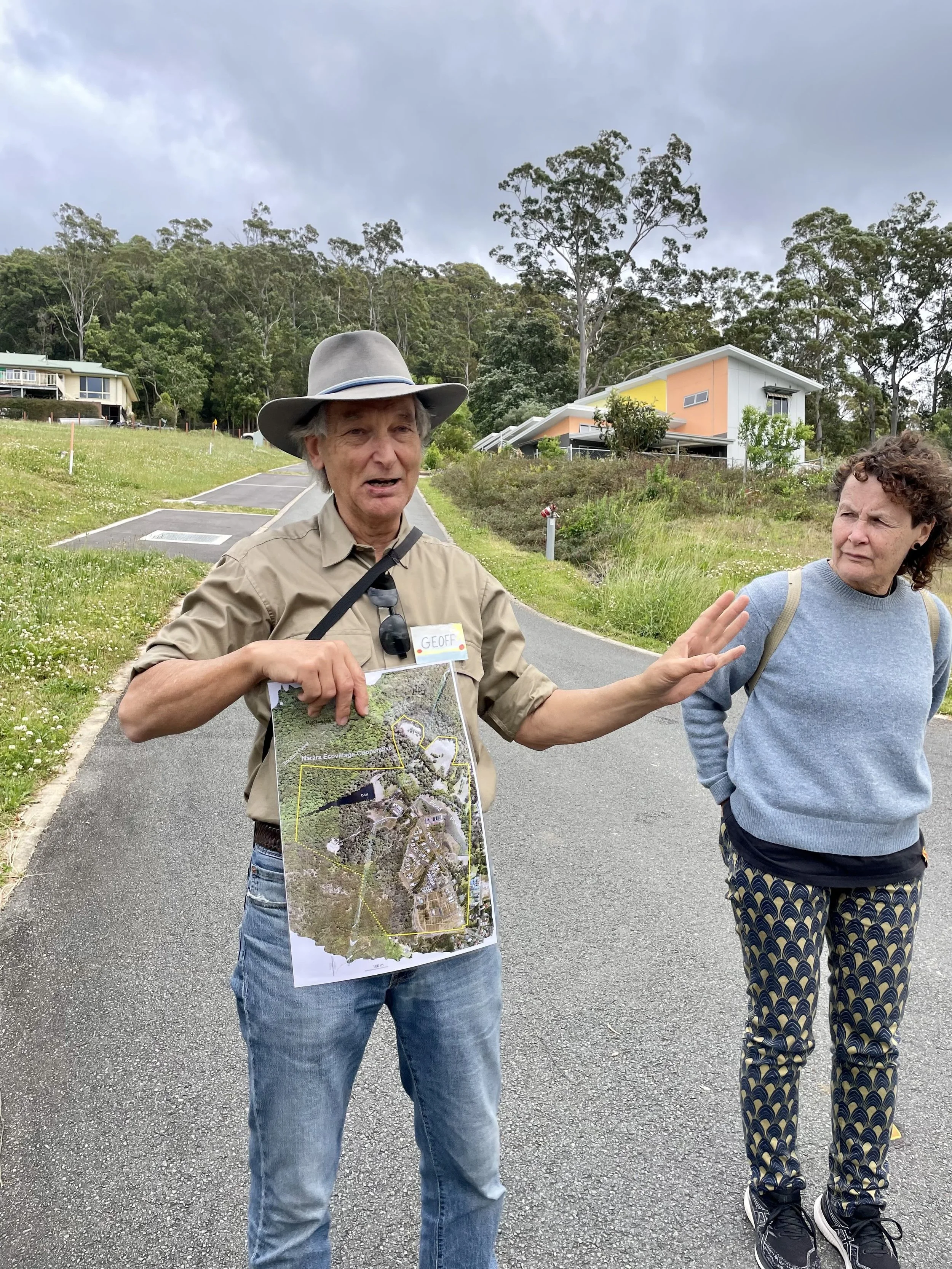
Tour guide of Narara Ecovillage on visitor day
For those intrigued by Ecovillages, there are numerous pathways to explore this sustainable lifestyle:
Visit an Ecovillage: Consider integrating a visit to an Ecovillage into your next holiday. This hands-on experience offers a glimpse into sustainable living and community dynamics.
Educational Opportunities: Engage in courses from the Global Ecovillage Network or Gaia Education to learn more about sustainable practices. These offerings provide both online and immersive learning experiences.
Local Initiatives: You don’t have to relocate to contribute to the Ecovillage movement. Start small by integrating sustainable practices in your own community, such as initiating a community garden or participating in local savings pools.
Connecting with Resources for Further Learning
If you're interested in diving deeper into Ecovillages and sustainable living practices, reach out to experts like Zola Rose. Common Ground is a great resource for learning more about alternative housing models and community-led projects.
The ecovillage movement offers a comprehensive approach to living that integrates social, economic, and environmental aspects in a harmonious manner. Zahra Lightway's journey provides an inspiring look into the potential for Ecovillages to transform the way we live and interact with our environment.